
Finding extra space in Newton usually means weighing tradeoffs. Families need space for aging parents, adult children, long-term guests, or a dedicated home office. Not to mention, they also want to stay close to village centers, walkable streets, and reliable routes into Boston. ADU construction in Newton has become a way to make this possible while utilizing the available space.
A small accessory dwelling on the same lot creates a full living area with its own entrance, kitchen, and bathroom, without altering the main house's functionality. Everyone has a little more breathing room, and day-to-day routines are not affected.
Why ADU Construction in Newton Appeals to Local Homeowners

Newton’s thirteen villages all feel a little different. Newton Centre, Newtonville, and Newton Corner have smaller yards, mature street trees, and short walks to stores and transit. Out toward West Newton Hill, Auburndale, Waban, and Oak Hill, lots tend to open up, offering deeper yards and quieter corners.
Many homes here were built in the early and mid-1900s, solid buildings that sometimes fall short of what today’s households need. ADU development offers homeowners a way to renovate older homes without having to relocate from the neighborhood. It provides more flexibility than adding one oversized room to the original house.
A few reasons come up in most planning conversations:
- Parents who want independence but prefer staying close
- Adult children who want a first place but still want Newton’s schools, transit, and community
- Families looking for a quiet, private space for guests or remote work
The lot size ultimately shapes almost every aspect of the design. Tight lots near village centers often steer homeowners toward basement apartments or garage conversions. Detached cottages are better suited to deep, quieter properties. Mento reviews each site with this context: sun, privacy lines, access, and drainage, so families can compare what’s truly realistic.
ADU Ordinance and Local Rules Homeowners Should Know
Newton’s ADU ordinance outlines how accessory dwellings fit into single-family neighborhoods. Both attached and detached ADUs are allowed, but each must remain smaller and visually secondary to the main home. The goal is to support flexible housing while keeping the character of Newton’s residential streets.
A few points show up in nearly every review:
- Setbacks limit how close an ADU can sit to the side and rear property lines
- Height and floor-area caps ensure the new structure doesn’t dominate nearby homes
- Parking and safe access matter, especially on narrow or high-traffic streets
Building code requirements come next. Basement ADUs need proper ceiling height and egress windows. Garage units need fire separation and safe stair design. And utilities must allow each dwelling to function independently while remaining part of one property.
Owner-occupancy rules and limits on short-term rentals help preserve neighborhood stability. Most homeowners don’t build an ADU as a quick investment; they make it as a long-term space for parents, adult children, guests, or rentals that fit into everyday life.
The Mento team reviews Newton’s zoning language, overlay districts, and conservation areas before drawings begin. Early zoning work prevents surprises at the permit desk and reduces the chance of remodeling later in the process.
Detached ADU, Garage and Basement Options for Newton Properties
Newton’s varied topography and lot patterns shape which ADU type fits each property. Three formats appear most often: detached cottages, garage units, and basement or lower-level apartments.
Detached ADUs
Detached units work best on more expansive, deeper lots, which are typically found in West Newton Hill, Waban, Auburndale, and Oak Hill. A small cottage in the rear yard creates strong privacy for both households. With its own entry, small patio, and independent systems, it feels like a complete home tucked behind the main residence.
Garage ADUs
Above-garage or converted-garage ADUs fit well in neighborhoods with limited backyard space. This option preserves outdoor areas while adding housing. Thoughtful planning, including the use of stairs, sound separation, and structural reinforcement, ensures these units remain safe and comfortable for long-term use.
Basement and Lower-Level Apartments
Many Newton colonials and Victorians sit on sloped lots where walk-out basements naturally lend themselves to ADU use. Large windows, an existing rear door, and close proximity to utilities often reduce construction complexity. Done carefully, a lower-level ADU still feels like a full living space with direct access to the outdoors.
Underlying conditions matter: ledge just beneath the soil, higher water tables near brooks, or conservation limits along certain streets. Mento studies these issues early, so your ADU choice works with the land instead of fighting it. No one wants to discover unexpected rock once excavation starts.
Planning an ADU: Space, Design and Layout Choices
Productive ADU planning begins with a careful walkthrough of the property. Trees, stone walls, patios, play areas, and sheds all influence where a new unit can sit without crowding the yard. Privacy is also taken into consideration at this stage.
Walking the site at different times of day helps reveal patterns that drawings can’t: morning sun, evening shade, traffic noise, and everyday footpaths. These simple details help determine where bedrooms, workspaces, or kitchen windows should be located.
Three layout patterns are common:
- A compact studio for short stays
- A one-bedroom design for parents, adult kids, or long-term tenants
- A hybrid office-plus-suite for remote work during the week and guests on weekends
Newton’s climate adds more considerations. Snow loads influence roof design. Heavy rain affects drainage. Cold winters demand strong insulation and durable exterior materials. Site grading and permeable surfaces help manage water around both the ADU and the main house.
Mento offers on-site walk-throughs to sketch ideas directly on the property before moving into final drawings.
Interior Design Choices That Make Newton ADUs Feel Like Real Homes
Once the footprint and placement are set, the focus moves to the interior. This stage determines the look of the ADU. Newton properties vary widely, so most families want an interior that echoes the main house without duplicating it.
Kitchen Layouts
Kitchens in ADUs are usually compact but efficient. Many homeowners opt for layouts that prioritize accessibility, featuring short cabinet runs, a two-burner cooktop, a convection microwave, and an under-counter refrigerator.
Because storage space is used up quickly in a small area, features like taller upper cabinets or a slim pantry cabinet make a significant difference. Mento typically walks homeowners through their daily habits to help shape these decisions.
Bathroom Features
Most Newton ADUs feature a walk-in shower rather than a tub, which saves space and is more suitable for older adults. Families planning for the long term typically opt for low-threshold or curbless showers with framing that is ready for future grab bars.
Ventilation is essential in Newton’s older neighborhoods, and heated floors sometimes make sense for colder months.
Flooring, Light and Finish Materials
The floor needs to be able to handle the weather in New England. Luxury vinyl plank and engineered hardwood are both good at keeping moisture from rain and snow out.
When floor plans are smaller, natural light can be used as a design tool. Bigger windows that face quieter parts of the yard make the unit feel open, while higher windows on shared property lines keep people from seeing inside.
The lighting plan is completed with simple, dimmable LED lights that keep the room warm, rather than cold.
Built-In Storage for Long-Term Comfort
Even a small ADU needs thoughtful storage. A single closet might work for short stays, but long-term living benefits from built-ins, shelving, or under-stair storage. These details help the space feel finished and functional, rather than temporary.
Long-Term Property Strategy: Why Newton ADUs Age Well
Families often start ADU projects for one immediate reason: parents moving in, adult children moving out, or a sudden need for a quiet workspace. However, Newton ADUs almost always continue to pay off long after that first reason passes.
A parent may use the unit for a few years; later, it can be rented to a graduate student or medical resident. A home office may eventually turn into a guest suite. Homeowners often say that their ADU becomes the most flexible part of the entire property, able to switch roles without requiring major renovations.
Because Newton’s housing market remains strong and land is scarce, a well-built ADU tends to raise long-term property value. Buyers appreciate options that eliminate the need to undertake the construction process themselves, especially in towns where permitting can be slow or challenging for newcomers.
How ADU Services Support Local Rental, Family and Work Patterns
Demand for smaller, well-built housing in Newton stems from multiple groups, including commuters to downtown Boston or Longwood, college faculty and staff, and students attending nearby schools. Many people seek private, high-quality housing near transit, and an ADU can fulfill that need while providing homeowners with a steady income.
For rentals, separation and sound control matter. Clear entries, parking spots, and durable kitchen and bath materials make long-term use more comfortable for both sides. Compliance with ADU rules helps maintain the arrangement’s stability.
Remote work has changed the way many families use their homes. A garage or backyard ADU is most often used as a weekday office with space for guests during holidays. Strong internet, natural light, and good acoustics give the space a feel of a downtown coworking environment.
Partnering with Mento for ADU Construction
ADUs integrate zoning, excavation, utilities, and detailed interior work into a single extended timeline. Mento Landscape coordinates all of those stages under one team, which is especially helpful on tight Newton lots with older homes, narrow side access, or challenging grades.
Homeowners work with a coordinated crew rather than hiring multiple trades separately. The typical sequence includes:
- Early site evaluation, grading, and drainage planning
- Utility trenching and service connections
- Foundation work, framing, roofing, siding, and window installation
- Interior finishes: insulation, drywall, trim, cabinets, and flooring
Once the building is complete, Mento handles walkways, patios, plantings, and lighting so the ADU feels like part of the property instead of something dropped into the yard. There’s no juggling multiple contractors or guessing what comes next; every step stays organized and predictable.
If you want a clear ADU roadmap and early budget range for your Newton home, contact the Mento team.
Frequently Asked Questions
How long does an ADU project in Newton typically take from the initial call to move-in?
Most projects run for approximately nine to fifteen months, from the initial call to the move-in date. Design and permits take about three to five months. Construction typically takes between four and eight months, with conversions completing the process in less time than new detached units.
Where should a detached ADU sit on my lot?
Detached ADUs most often sit in the rear or side yard inside required setback lines. A site plan from a surveyor shows those lines, allowing you to choose a legal and practical spot.
What drives ADU costs in Newton compared with a traditional addition?
The foundation, digging trenches for utilities, and a full kitchen and bathroom in a separate building are some of the highest costs. Adding a room is usually less expensive than adding a detached unit, especially when dealing with rocky or sloped ground, or when service upgrades for water, sewer, or drainage are required.
Is rental use allowed for a Newton ADU, and what rules matter most?
Yes, the rules in Newton currently allow people to rent out their ADUs for an extended period. Before signing a lease, ensure you check the owner’s occupancy requirements, limits on short-term stays, and parking standards.
Explore more services in Newton:
Asphalt Newton | Driveway Construction Newton | Driveway Pavers Newton
Masonry Newton | Patio Newton | Guest House Builder Newton | Retaining Walls Newton
Schedule Appointment
* All fields required
What Our Customers Are Saying
Check Out Success Stories
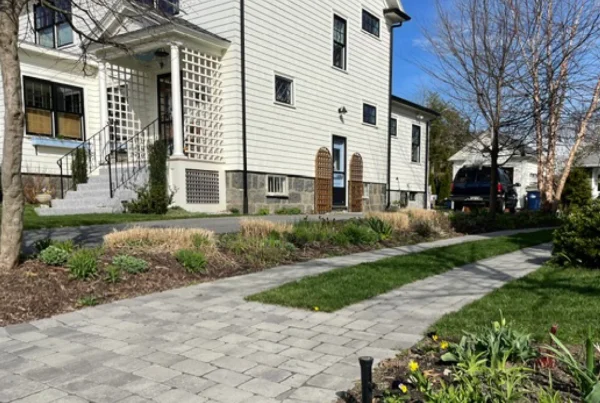
In Duxbury, MA, the team at Mento removed the existing timber walls at the front of the property and completely upgraded the driveway area with brand new hardscaped walls and…
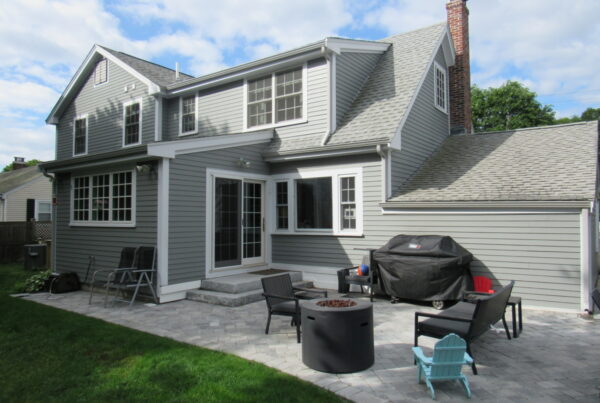
Traveling to a home in Milton, MA, the team at Mento crafted a brand new paver patio at the rear of this property just in time for the beautiful weather…
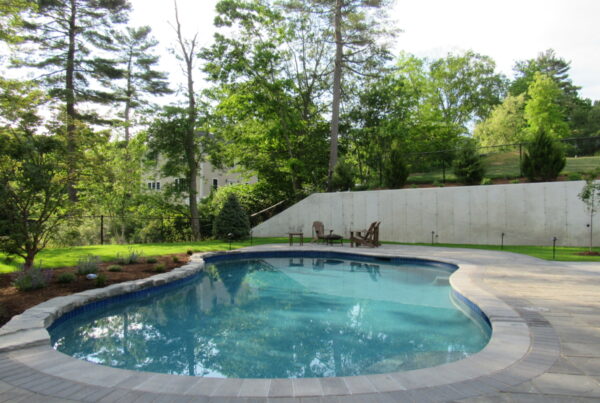
The team at Mento traveled to a home in Weymouth to install gorgeous pavers throughout the exterior of the property with an outdoor lighting system around the pool area and…