
Scituate residents seek flexible living spaces that accommodate changing family needs, remote work, and long-term plans. Scituate’s coastal setting influences how homeowners perceive their space. Many buildings are close to the shoreline or on lots where significant additions don’t feel practical.
Growing interest in ADU construction in Scituate comes from a need for privacy, extra comfort, and freedom to create a separate dwelling for relatives, guests, or renters. An accessory dwelling unit makes this possible.
Many Scituate neighborhoods also include older homes with layouts that don’t adapt well to today’s space needs. Families balancing work, visitors, and long-term planning often find their existing footprint stretched thin. With changing weather patterns and rising home prices along the South Shore, residents look for more ways to create a practical living space.
Why ADUs are becoming Popular in Scituate

The layout of the lots and the coastal terrain in Scituate usually make it hard for homeowners to add on to their main house. Some properties are situated on slopes or ledges, and others require careful planning for drainage due to their proximity to water. Instead of changing the entire floor plan, many families would rather add a smaller, separate living space that still keeps the yard open.
An ADU is the answer to that problem. It provides older parents, family members who come to visit, or adult children who come home for a season with a private, self-contained space. It’s also useful for people who work from home and want a quiet place to work without changing the main house.
Key Steps in the ADU Construction Process
Every ADU project moves through a series of stages that shape cost, layout, and comfort. A strong plan in Scituate begins with the lot, then progresses through design, zoning regulations, and construction work.
Understanding Your Property’s Capacity
The first step is to understand how your home is situated on the lot. In Scituate, this often means considering the slope, drainage, sunlight, and proximity to existing structures. These details shape what the layout can realistically support.
Scituate’s zoning bylaws help set those boundaries. How large the unit can be, where it can stand, and how it fits the character of the neighborhood. Reviewing these early prevents costly redesigns later.
Establishing Space Requirements and Design Priorities
After studying the lot, the next step involves clear goals for how the ADU will function. Some owners want a private suite for an aging parent. Others focus on a quiet, remote work area. Rental use ranks high on the list for many households seeking extra income.
With goals in place, you can select room sizes, floor plan layouts, and storage needs that match your real daily use.
Permits, Reviews and Required Documents
Scituate utilizes a straightforward permit process for ADUs, with each step focusing on safety and long-term durability. The town reviews the plans for structure, energy efficiency, and how the unit fits on the lot. Once zoning and placement are approved, the project can move into construction. A solid set of drawings usually speeds up this part of the process.
Construction Phase and Quality Checks
Scituate’s coastal weather means the quality of materials matters. Builders often choose roofing, siding, and windows that hold up well against salt air and strong winter winds. Good insulation and moisture-resistant finishes also help the unit stay comfortable year-round, reducing long-term maintenance.
ADU Styles that work well in Scituate
Neighborhoods in Scituate feature coastal homes, classic New England designs, and newer builds. An ADU must feel connected to this setting while still protecting privacy. Homeowners choose layouts based on the size of their yard, the condition of their foundation, and their personal goals. Local ADU builders help match property features with a design that works for long-term use.
Below are standard ADU formats that fit Scituate well and support a range of needs:
Detached Coastal Cottage ADUs
A detached ADU stands apart from the main house, offering complete independence. This style suits properties with enough yard space or lots with homes set far from the street. A simple coastal form supports airflow, natural light, and consistent privacy for guests or renters.
Benefits of this setup include:
- A quiet living area for extended stays by parents, guests, or adult children
- Room around the unit for gardens, seating, and paths
- Stronger separation from everyday noise inside the main home
- Clear rental potential for year-round or seasonal tenants
- Flexible placement on the lot for sun and privacy
Garage or Barn Style Conversions
Some Scituate homes include garages or older barns that are no longer in use. Converting these structures gives an additional living space without a new footprint on the lot. This conversion works well for coastal properties, and it doesn’t affect yard space.
Advantages of this approach:
- An existing structure already stands on the site
- Interior buildout often moves faster than brand-new work
- Less disruption to main yard areas
- Easy integration with current driveways and entries
- Strong option for guest suites or housing for young adults
Second Story ADUs above Existing Structures
Some owners need extra living space but want yards to stay untouched. A second-story ADU above a garage or similar structure provides a private, elevated suite and clear separation from the main living areas.
This layout offers:
- No loss of yard space at ground level
- Higher views over the property or the nearby coastline sections
- A calm environment above the day’s yard activity
- Design options for a private stair and entry
- A strong long-term rental unit with clear boundaries
Local Scituate ADU Regulations Explained
Every accessory dwelling unit in Scituate must comply with local rules governing size, placement, and structural form. These guardrails protect neighborhood character and coastal conditions. Zoning bylaws explain maximum footprint, height, and setback ranges for ADUs on each type of lot. Many homeowners begin with a zoning review to determine the maximum unit size and the location where a structure can be built.
The planning board and building staff review ADU proposals before construction proceeds. Reviews confirm compliance with placement rules, safety standards, and coastal concerns. Some sites require extra work for drainage, soil stability, or flood exposure.
Parking expectations, height limits, and plans for water, sewer, and power connections are all discussed. Each step supports projects that sit comfortably alongside existing homes and shorefront rules.
Cost Factors that influence ADU Construction in Scituate
An ADU project in Scituate includes planning, labor, materials, and permit work. Coastal conditions shape many decisions, and each property brings a unique mix of constraints. A clear budget is established by understanding the main cost drivers early.
- Coastal Environmental Requirements
Homes near the shore often need extra protection from moisture, wind, and storms. Foundation depth, drainage planning, and exterior finishes must support long-term performance and durability. Stronger foundations or added flood protection can raise costs, but those elements protect the structure for many years. - Foundation Needs
Some lots have sloped ground or soil that needs reinforcement. These conditions determine the type of foundation and the height of the unit above grade. Local contractors study soil reports, drainage, and access before they recommend a slab, crawlspace, or pier system. Those choices shape both budget and future comfort. - Material Resilience
Scituate’s climate rewards wise material choices. It is essential to select siding, roofing, windows, and insulation with strong resistance to salt air, wind, and temperature fluctuations. Price ranges vary, so a contractor often presents tiered options that balance cost with long-term performance. - Utility Distances
The distance between the main house and the ADU affects trenching and connection work for water, sewer, power, and heat. A short, clear route often keeps this part of the budget predictable. Longer runs across paved areas or tree roots bring extra labor and materials. Early planning around utility paths helps you avoid surprises. - Level of Customization
The finish level plays a significant role in determining the final cost. Layout changes, built-in storage, tile work, cabinetry quality, lighting packages, and flooring choices all add up. Some homeowners favor durable, simple finishes for rental units. Others invest in higher-end options for relatives or personal use. Clear priorities help the team allocate resources effectively and protect the budget.
The Advantages of working with Mento for an ADU in Scituate
Homeowners seeking a stress-free process often look for a builder with local knowledge, zoning expertise, and strong coordination skills. Mento Landscape brings its experience with South Shore properties, helping families move through each stage with confidence. The team supports planning, design input, permits, and complete construction oversight, so you deal with fewer unknowns.
- Pre-construction guidance
Mento helps you understand layout options, site flow, and foundation needs. The team walks you through where an ADU can be built, how entries connect, and how parking and paths are designed to work.
- Zoning and rule awareness
Mento reviews setbacks, coastal overlays, height limits, and placement rules for the town of Scituate. That review reduces the risk of delays and redesigns. When drawings align with local regulations from day one, permit review often feels shorter and less stressful.
- Permit submission support
Mento gathers drawings, structural notes, energy forms, and site plans for submission. Many homeowners get overwhelmed by forms and checklists, so having a team that can handle these processes is a huge relief.
- Property integration and finishing work
Mento helps connect the new unit with existing outdoor areas. Updated paths, lighting, grading, and plant choices help the ADU feel naturally connected to the main home.
Mento’s experience with Scituate’s coastal terrain and zoning rules helps families avoid unexpected expenses and go through each stage with confidence.
Ready to Add a Dwelling Unit to your Scituate Property?
If you want to explore an ADU for your Weymouth home, Mento can guide planning, design, permits, and construction from start to finish. The team explains each step clearly so you know what your property supports.
Contact Mento Landscape or visit the Braintree office to discuss your goals, budget, and layout ideas. Your lot might hold more potential than you expect.
Frequently Asked Questions:
What documents do I need to build an ADU in Scituate?
Homeowners preparing to build an ADU need to send in floor plans, elevations, structural notes, and a site plan that shows the ADU footprint to the town for review.
How long does it take to build an ADU in Scituate?
Timelines vary depending on size, foundation needs, weather, and permit processing pace. Many homeowners use several months for planning, design, and review before framing begins.
Are ADUs allowed for long-term rental use in Scituate?
Many owners design an ADU with long-term rental in mind. Scituate allows rental use when the unit meets all zoning, safety, and occupancy rules. Plans need to show independent access, a working kitchen, and full bathroom facilities.
Do Scituate ADUs need separate utility meters?
Utility setup depends on design and owner preference. Some projects share meters with the main house and rely on internal tracking for cost sharing. Others use separate meters for electric, gas, or water service to keep rental accounting clear.
Explore more services in Scituate:
Asphalt Scituate | Driveway Construction Scituate | Driveway Pavers Scituate
Patio Construction Scituate MA | Retaining Walls Scituate | Guest House Builder Scituate
Schedule Appointment
* All fields required
What Our Customers Are Saying
Check Out Success Stories
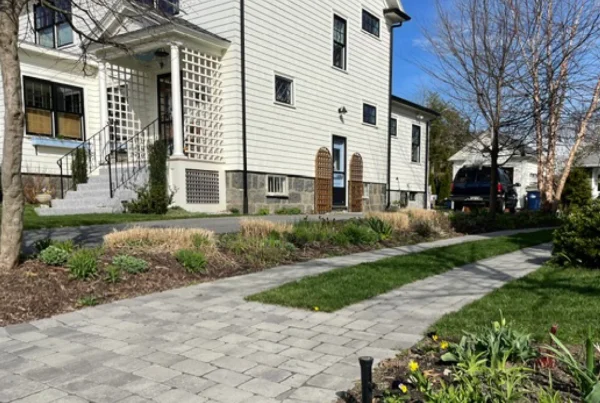
In Duxbury, MA, the team at Mento removed the existing timber walls at the front of the property and completely upgraded the driveway area with brand new hardscaped walls and…
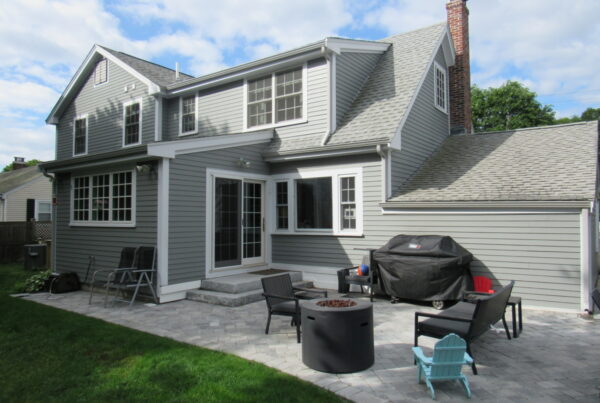
Traveling to a home in Milton, MA, the team at Mento crafted a brand new paver patio at the rear of this property just in time for the beautiful weather…
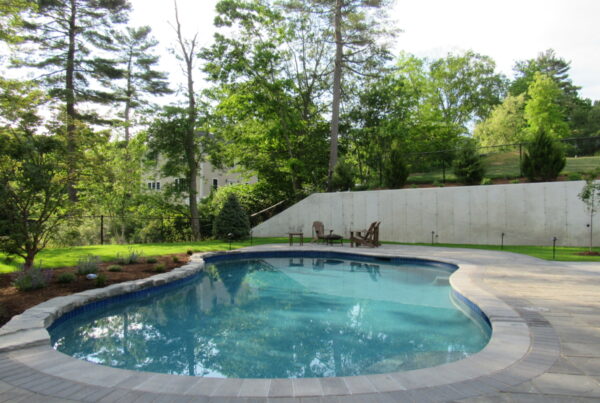
The team at Mento traveled to a home in Weymouth to install gorgeous pavers throughout the exterior of the property with an outdoor lighting system around the pool area and…