
Many Plymouth households want more space for parents, grown children, or guests, yet feel attached to neighborhoods near White Horse Beach, Manomet, or historic downtown. A well-planned guest house answers this need while keeping the guest house on the same property.
With a guest house builder, Plymouth homeowners gain a flexible dwelling that adapts as family needs change, while still respecting the character of the yard and shoreline.
Guest House Builder Plymouth – More Space without leaving Town

Across Plymouth, properties range from tight harbor lots to long wooded driveways in South Plymouth. Families are seeing older parents staying longer, adult children returning after college, and remote work blending with the vacation season. A guest house adds quiet rooms without uprooting everyone or losing access to beaches, ponds, and local friends.
Common reasons families speak with a guest house builder in Plymouth include:
- A private home for aging parents who prefer independence but still want daily support
- Space for adult children who need a first step toward home ownership
- A quiet suite for remote work, which stays separate from daily noise in the main house
- Comfortable lodging for relatives who spend several weeks in summer or over holidays
Near downtown and North Plymouth, narrow side yards prompt designs to feature above-garage units or compact rear cottages. Around The Pinehills, West Plymouth, and Chiltonville, deeper lots open room for single-story guest houses which line up with woods, stone walls, and existing patios. Local geography can influence choices, from driveway access to roof pitch, as it faces strong coastal winds.
Dwelling Unit Choices for Plymouth’s Coastal and Historic Neighborhoods
Plymouth’s city rules define an accessory dwelling as a self-contained home with a kitchen, bathroom, and sleeping area on the same lot as a single-family house. Only one accessory unit is permitted on each qualifying property, with a maximum size of 900 square feet and a separate entrance that meets egress rules. Short-term rentals stay off the table, so most owners use the space for relatives or longer leases.
Different streets suit different guest house styles:
- Narrow downtown parcels work well with second-story suites above existing or new garages
- Sloped lots around ponds lend themselves to walkout lower-level units
- South Plymouth properties leave room for detached cottages near the tree line
- Older neighborhoods with long backyards often suit single-story backyard units
Coastal exposure may require siding, roofing, and trim that can withstand the effects of salt air and wind. Many owners like fiber cement siding with composite trim and PVC rails, which blend New England style with low maintenance. Further inland, snow load and driveway slope guide roof forms, entry locations, and covered walks so grandparents move safely through every season.
Accessory Dwelling Ideas Near Plymouth Harbor, Manomet and Chiltonville
Areas near the harbor often feature compact footprints, which preserve views between homes. A guest house might sit behind a main Colonial or Cape with aligned windows framing the water. In Manomet and Chiltonville, wooded backdrops invite porches and screened rooms where family members relax away from summer traffic. Design in each area protects privacy and keeps walk times short between the main home and the new unit.
How Unit Contractors Plan around Plymouth Slopes, Ledge and Septic
Local unit contractors know Plymouth land rarely feels like a flat suburban subdivision. Many yards are situated on ledges, near wetlands, or over older septic systems, requiring careful planning. A skilled guest house builder in Plymouth examines these details before the structural design progresses too far.
Site planning often covers points such as:
- Test holes to confirm ledge depth and groundwater conditions
- Septic location and reserve area, with safe clearances for new foundations
- Driveway slopes for year-round access, including winter plowing routes
- Tree protection near cottages, patios, and utility trenches
Grading, Drainage and Foundation Work before Framing begins
Before concrete trucks arrive, Mento Landscape’s crews recheck elevations, footing depths, and drainage paths. Foundations might sit slightly higher on ledgy sites to avoid blasting, with gentle slopes and retaining walls pulling the guest house back into the yard. On sandy soils near the beach, compacted base layers and well-drained footings help the structure remain stable through freeze-thaw cycles. Care at this stage reduces settlement and protects finished flooring, tile, and trim after family members move in.
Integrating a Guest House with your Plymouth Home and Yard
A guest house works best when architecture, circulation, and outdoor rooms read as one property rather than two separate homes. Plymouth streets include many classic Capes, Gambrels, and Colonials. A thoughtful guest house builder in Plymouth carefully echoes the roof pitch, trim profiles, porch railings, and window grids, ensuring the new unit blends seamlessly with the original plan.
Key integration strategies often include:
- Matching siding, roofing, and window styles so the guest house feels related to the main home
- Aligning walkways, lighting, and plantings so guests follow a natural route across the yard
- Positioning patios and decks for shared gatherings and quiet corners for each household
Outdoor design completes the picture. In-town properties often rely on brick or paver walks from the driveway to the guest entry, with low stone walls framing the parking area. Woodland lots in South Plymouth feature crushed stone paths, native plantings, and subtle lighting, guiding occupants safely back to a cottage at night. In every case, the property reads as one coordinated home base.
Outdoor Living Spaces that Connect Home and Guest House
Mento often creates outdoor spaces between the two structures, for example, a shared bluestone patio, a fire feature, or a dining terrace. This zone becomes neutral ground where everyone gathers, and each dwelling still retains private indoor space. A well-placed grill can sometimes resolve more family debates than a lengthy group text. Simple planting softens building edges, screens utilities, and frames views toward the ocean, ponds, or woods.
Ready to picture a guest house in your own Plymouth yard? Request a site visit from Mento and walk the property together.
ADU Rentals, Zoning and Long-Term Value in Plymouth
Accessory dwelling rules in Plymouth support multigenerational living and protect neighborhood character. The bylaw keeps the primary homeowner occupied, limits unit size to 900 square feet, requires a separate entrance, and prohibits short-term lodging. A guest house, therefore, works best for longer stays, extended family, or steady tenants rather than frequent vacation turnover.
Owners explore a range of uses matching local patterns:
- Housing for health workers, teachers, or remote professionals who want a quiet, longer rental
- A home for older relatives who want proximity to medical care, beaches, and community events without stairs or long drives
Plymouth lot shapes and zoning districts influence placement. Coastal overlay areas have additional height and setback requirements. Wetland buffers near ponds and marshes narrow the buildable areas, so accurate surveys are crucial. On larger inland parcels, a guest house is often situated closer to the road, with the primary home located deeper in the lot, or vice versa, depending on the driveway access and privacy goals.
Does your Plymouth property qualify for an accessory dwelling? Speak with Mento about a zoning-aware concept plan.
Building a Guest House with Mento Landscape’s Plymouth Team
Mento brings over five decades of South Shore experience in masonry, paving, and home construction, with a long-standing record of work in Plymouth. Crews have completed granite step systems, retaining walls, patios, and masonry upgrades for local homes, so the team is familiar with local soils and neighborhood styles. The same experience now supports homeowners who plan full guest houses and accessory units.
Homeowners who choose Mento for guest house work often point to reasons such as:
- One partner overseeing site work, utilities, foundations, framing, and exterior finishes
- A design-build approach linking layout, budget, and zoning from the start
- Coordination between house construction, driveway changes, patios, and plantings
The process begins with a conversation about who plans to live in the guest house, how long the visits will last, and which parts of the yard are most important. A site walk follows, where the team measures slopes, views, and access points. Concept sketches then set out the footprint, parking, and outdoor space. Once a preferred layout emerges, Mento develops detailed drawings, collaborates with engineers as needed, and prepares permit sets in alignment with Plymouth ADU rules.
Step-by-Step Process from First Call to Final Walkthrough
During construction, crews sequence excavation, foundation work, framing, roofing, and interior finishes around family routines and seasonal weather. Communication stays clear. Schedules, deliveries, and inspections are displayed on a shared timeline, allowing owners to see what happens each week. Ultimately, a joint walkthrough confirms that all punch list items are complete, including grading and loam, trim touch-ups, and lighting adjustments.
Contact Mento Landscape to start a guest house plan matched to your Plymouth lot, budget, and family goals.
Frequently Asked Questions
How long does a typical guest house project take in Plymouth?
Many projects run nine to twelve months from the first conversation to move in. Design, engineering, and permitting usually take several months, followed by a construction phase running through excavation, framing, interior work, and final outdoor work.
What zoning or septic limits affect where a unit sits on the lot?
Setbacks from property lines, wetlands, and existing structures narrow placement options. Septic systems and reserve areas must stay clear, and town rules allow only one accessory unit per qualifying property.
Are guest houses in Plymouth better for family use or rental?
Many owners start with family in mind, such as parents or grown children, then move to longer leases when needs change. Plymouth rules prohibit short stays, so success often comes from steady tenants who respect neighbors and fit local patterns.
Explore more services in Plymouth:
Asphalt Plymouth | Driveway Construction Plymouth | Driveway Pavers Plymouth
Masonry Plymouth MA | Retaining Walls Plymouth MA | ADU Construction in Plymouth | Patio Construction Plymouth
Schedule Appointment
* All fields required
What Our Customers Are Saying
Check Out Success Stories
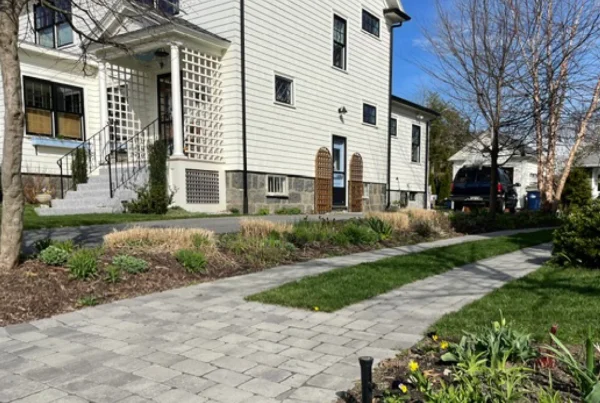
In Duxbury, MA, the team at Mento removed the existing timber walls at the front of the property and completely upgraded the driveway area with brand new hardscaped walls and…
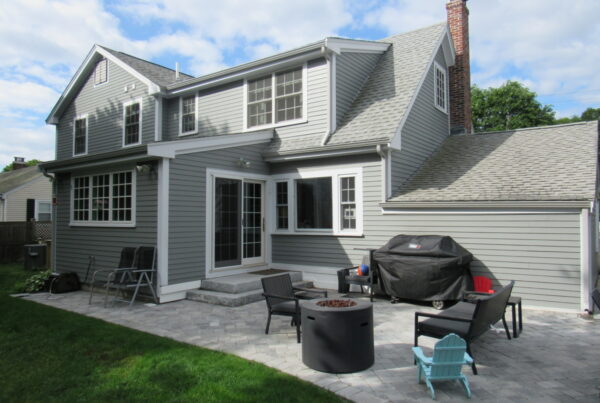
Traveling to a home in Milton, MA, the team at Mento crafted a brand new paver patio at the rear of this property just in time for the beautiful weather…
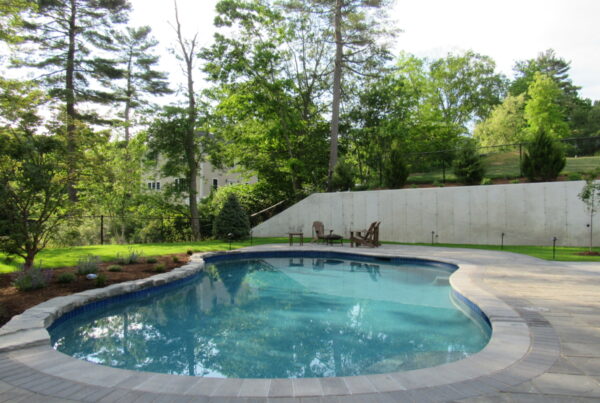
The team at Mento traveled to a home in Weymouth to install gorgeous pavers throughout the exterior of the property with an outdoor lighting system around the pool area and…